
Guidance
Fitness & Training Tips
You don’t need to be an athlete to trek in Nepal - but showing up unprepared makes an already demanding trip significantly harder than it needs to be. Here’s how to actually prepare, not just generic "get fit" advice.
What Actually Matters
Cardiovascular Endurance
The most important factor. Trekking at altitude for 5–7 hours a day, multiple days in a row, demands sustained aerobic capacity more than raw strength.
Leg Strength
Squats, lunges, and step-ups build the quad and glute strength needed for steep, sustained descents - often harder on the body than climbing.
Stair & Incline Training
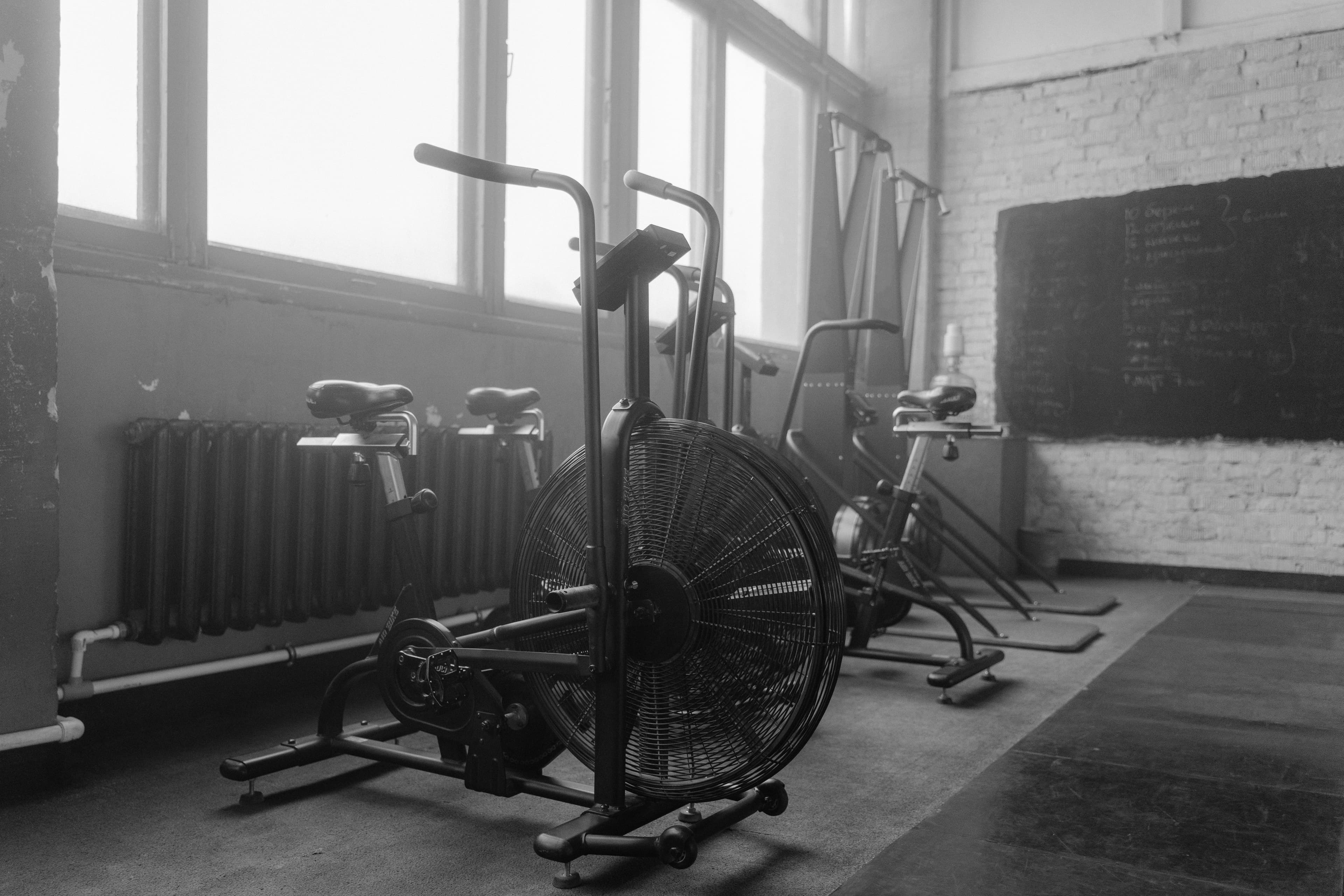
If you don't have access to hills, stair climbing (real stairs or a stepper machine) closely replicates the repetitive elevation gain of trekking.
A Realistic Training Timeline
3 Months Before
Base Cardiovascular Fitness
Start building a foundation with 3–4 sessions per week of cardio - brisk walking, jogging, cycling, or swimming, gradually increasing duration to 45–60 minutes per session.
2 Months Before
Add Load-Bearing Hikes
Begin hiking on local trails or stairs with a weighted daypack (start at 5kg, build toward 8–10kg). This conditions the exact muscles and joints used on multi-day trekking.
1 Month Before
Longer Back-to-Back Days
Simulate consecutive trekking days - two hikes on back-to-back days most weekends. This builds the recovery capacity you'll need trekking 5–7 hours daily for over a week.
Final 2 Weeks
Taper, Don't Peak
Reduce training intensity to let your body recover fully. Overtraining right before departure increases injury and illness risk rather than improving readiness.
Important distinction: Physical fitness reduces fatigue and injury risk, but it does not prevent altitude sickness - that's a matter of ascent rate and acclimatization, not fitness level. Even highly trained athletes can experience AMS at altitude. See our Altitude Sickness & Safety guide for that side of preparation.
Not Sure You're Ready?
Tell us your current activity level when you book, and we’ll help you pick a trek that matches your fitness - or suggest specific preparation for the route you have in mind.
Ask us which trek fits your fitness level →